One day in Hoi An: an old-town walk and an evening by the river
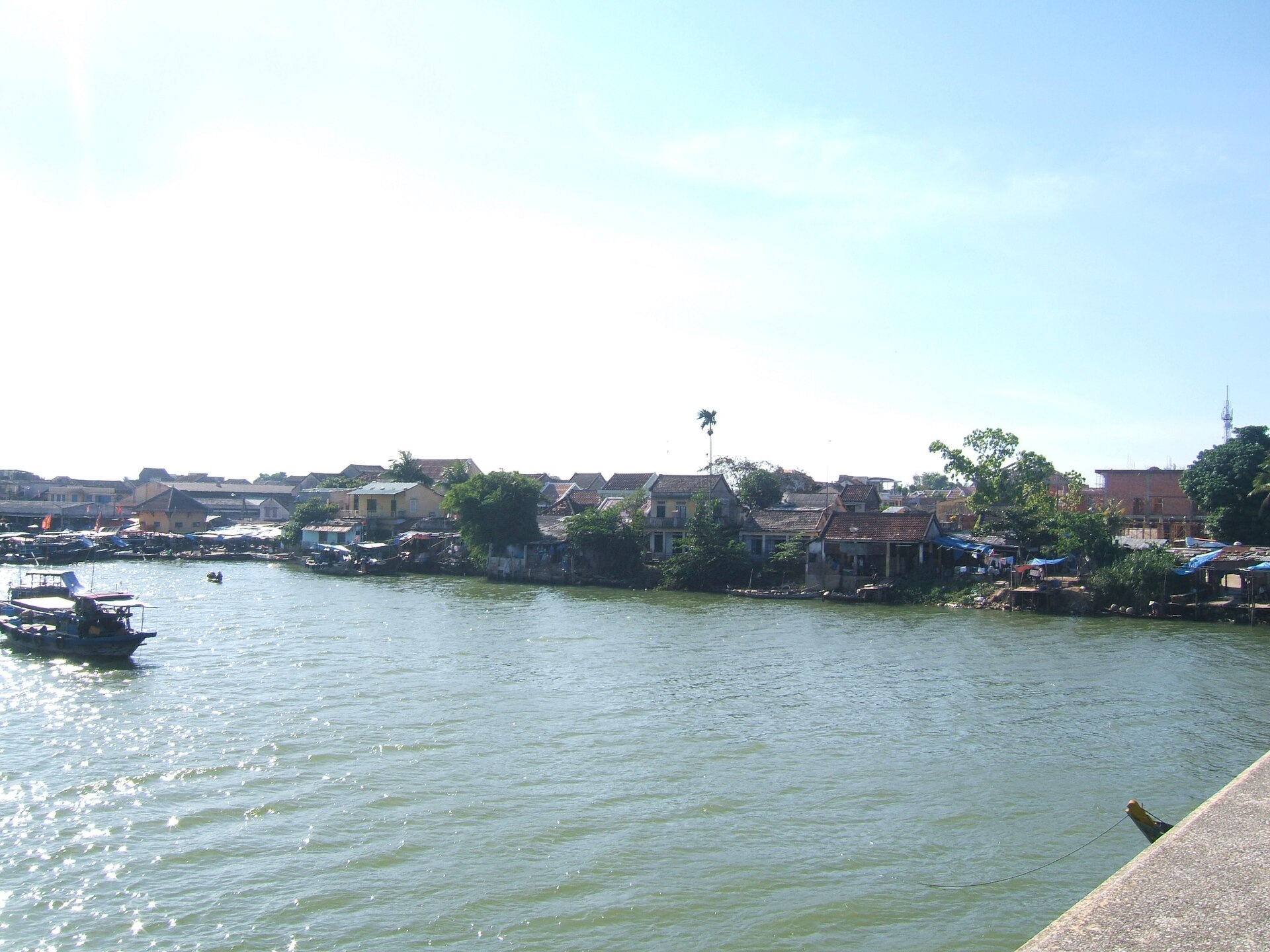
Boats on a broad river beside riverside buildings in Hoi An, Vietnam.

For a first visit, spend the morning in Hoi An’s Old Town, stop for lunch, take a break during the afternoon heat, then return to the river toward dusk. If you are coming from Da Nang for the day, settle your pickup point and return time before the evening walk. Arrange a meeting point that your driver can reach, and save their contact details.

Plan the route around your return

Save a map of the Old Town and pin both your accommodation and your exact pickup point before setting out. “Hoi An Old Town” is too broad a location to be useful when you need to find a driver later. If your ride back is arranged for a fixed time, keep the evening walk and dinner near the agreed meeting point rather than wandering across town just before departure.

For the morning, use the Chùa Cầu (Japanese Covered Bridge) area as a landmark. From there, choose Trần Phú or Nguyễn Thái Học for your walk, then turn back toward the river. Either street can anchor a short loop; you do not have to cover both in one pass. Keep your route short enough to leave time for stops inside the buildings.

Spend the morning in the Old Town

An early walk is a useful way to see the historic streets before setting aside time for lunch and an afternoon break. Follow one of the streets away from the bridge, stopping at a shop house, temple or gallery that interests you. Leave the return walk along the river until you are ready for lunch.

If you want to enter a historic building, check the current ticket arrangements and which sites are open at the official ticket counter before planning your stops. Ask what the ticket covers for the route you intend to take. Do not assume that street access and entry to heritage interiors follow the same arrangements, or that a ticket covers every place you might want to visit.

Choose one interior based on what you want to see. A historic house can help you understand how people lived and traded in a narrow shop-house setting. A museum is a better choice if you would rather see objects and exhibits that explain Hoi An’s history. Tan Ky Old House and the Museum of Trade Ceramics are two places to consider. Ask at the ticket counter which is open and included before choosing.

Choose lunch by what you want to eat

Cao lầu is the distinctive Hoi An option for a substantial noodle meal: it has thick, firm rice noodles topped with pork, bean sprouts, herbs and crisp rice cracker, with only a small amount of broth. If you do not eat pork, ask about the meat, broth and sauces before ordering; do not assume a bowl can be made vegetarian simply by leaving the pork off.

Mì Quảng is another noodle dish, usually served with a modest amount of broth and toppings that can include chicken, shrimp, pork or egg, plus herbs, peanuts and rice cracker. Cơm gà is a separate option: shredded chicken served with rice. If you have allergies or dietary restrictions, ask the restaurant about ingredients and preparation rather than relying on the dish name. Pick a place near the end of your walking route so lunch does not send you back across the Old Town.

Keep the afternoon break simple

If you are staying nearby, return to your room for a rest. Day visitors can choose an indoor café or other place with seating, order something and take time off their feet before heading back out. If you have bags with you, ask your accommodation about storage before checkout so you can walk without carrying them all day.

If you also want the beach or a countryside cycling route, consider giving it a separate day. Those plans take you away from the central streets and require time to travel out and back. Adding one to this itinerary can turn a focused Old Town day into a series of transfers.

Return to the river in the evening

Come back toward the Thu Bồn River as the light fades, then walk along the bank and through nearby lanes. If you are staying in Hoi An, choose dinner along the route back to your accommodation. For a day trip from Da Nang, check the walk from the restaurant to your agreed pickup point before sitting down.

A boat ride is optional. Before boarding, ask whether the quoted fare is for the whole group or per person, how long the ride lasts, where you will get off and whether suitable life jackets are available. If the terms are unclear or a suitable life jacket is unavailable, continue along the riverfront on foot.

If heavy rain or rising water affects the area, ask your accommodation about conditions before heading down to the river and avoid walking through flooded sections. Before leaving for the night, reopen your saved pickup pin and confirm the meeting point and return time with your driver.
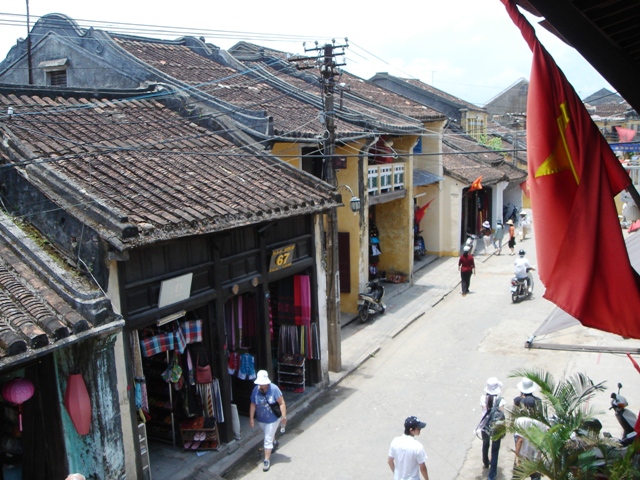

A street in Hoi An Old Town lined with tiled-roof shop houses, with pedestrians and scooters.

Vietnam’s five-year visa exemption certificate: who it is for

A man beside a railing with Ho Chi Minh City in the background.
A man beside a railing with Ho Chi Minh City in the background. Photo: Theodore Nguyen / Pexels.
In this guide
  1. Check the eligibility route first
  2. Separate certificate validity from permission to stay
  3. Build an evidence file before arranging submission
  4. Know when a different service is needed
  5. What to include when asking Cindy for help

The document often called a “five-year visa” is a visa exemption certificate for eligible people with Vietnamese origin or qualifying family relationships. It is not a general five-year tourist visa, and its overall validity is different from the time allowed on each visit.

Check the eligibility route first

The Vietnamese Embassy’s consular guidance identifies overseas Vietnamese people and the spouses or children of Vietnamese citizens or overseas Vietnamese people as relevant groups. Eligibility depends on evidence of the applicable connection, not simply on visiting Vietnam regularly.

Start by identifying which route describes you. Are you relying on your own Vietnamese origin, a marriage relationship or a parent-child relationship? That answer determines which supporting records will matter. The documents for one route should not be copied as a universal checklist for another.

If several family members apply, review each person separately. A spouse’s eligibility does not remove the need to document another applicant’s relationship. Our family travel guide can help keep the files distinct.

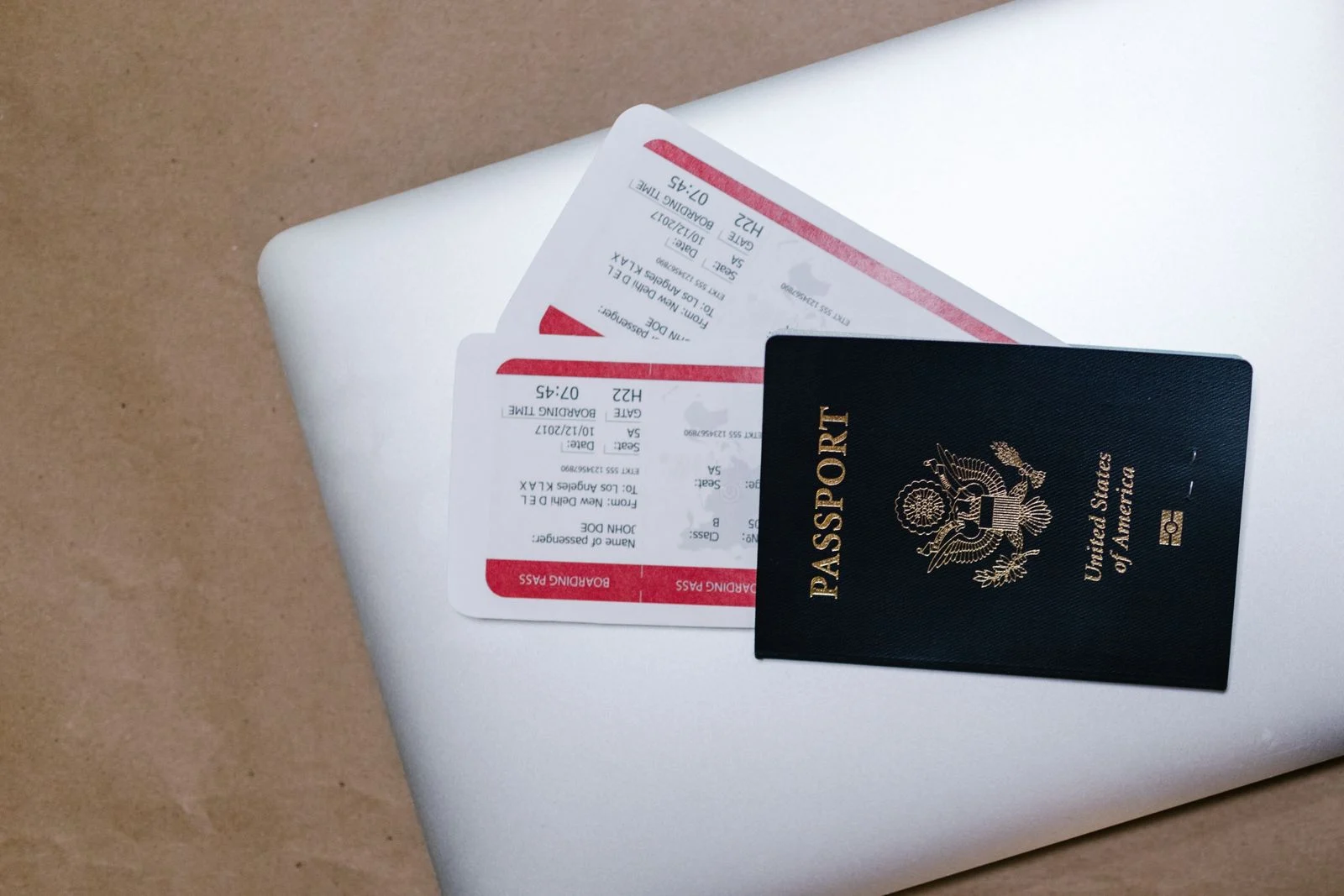
A passport and boarding passes resting on a laptop.
A passport and boarding passes resting on a laptop. Photo: RDNE Stock project / Pexels.

Separate certificate validity from permission to stay

The embassy describes a certificate valid for up to five years, ending at least six months before the passport expires. A passport with a shorter remaining life can therefore lead to a shorter certificate period.

For individual visits, the government’s explanation of Decree 82/2015/ND-CP describes temporary residence of six months per entry, or a shorter period when less certificate validity remains. The stay recorded for your actual entry is what you should check before planning a departure.

Do not read the expiry date on the certificate as permission to remain in Vietnam continuously until that date. Questions about a longer stay, a passport replacement or changing circumstances need current guidance for the particular case.

Build an evidence file before arranging submission

Prepare the passport and the documents that establish your claimed connection. Depending on the case, these may include Vietnamese identity or citizenship records, a birth certificate, a marriage certificate or other accepted evidence. Keep originals and copies clearly separated.

Look for differences in spelling, date formats or names across the records. A change of name may require supporting evidence that connects the documents. Do not alter a scan to make the records look consistent; ask which additional record is needed.

Application forms, photographs, certification, translations and submission arrangements should follow the instructions of the authority handling your application. For example, a Vietnamese embassy’s instructions for applicants in the United States should not be assumed to be the identical postal procedure in another country.

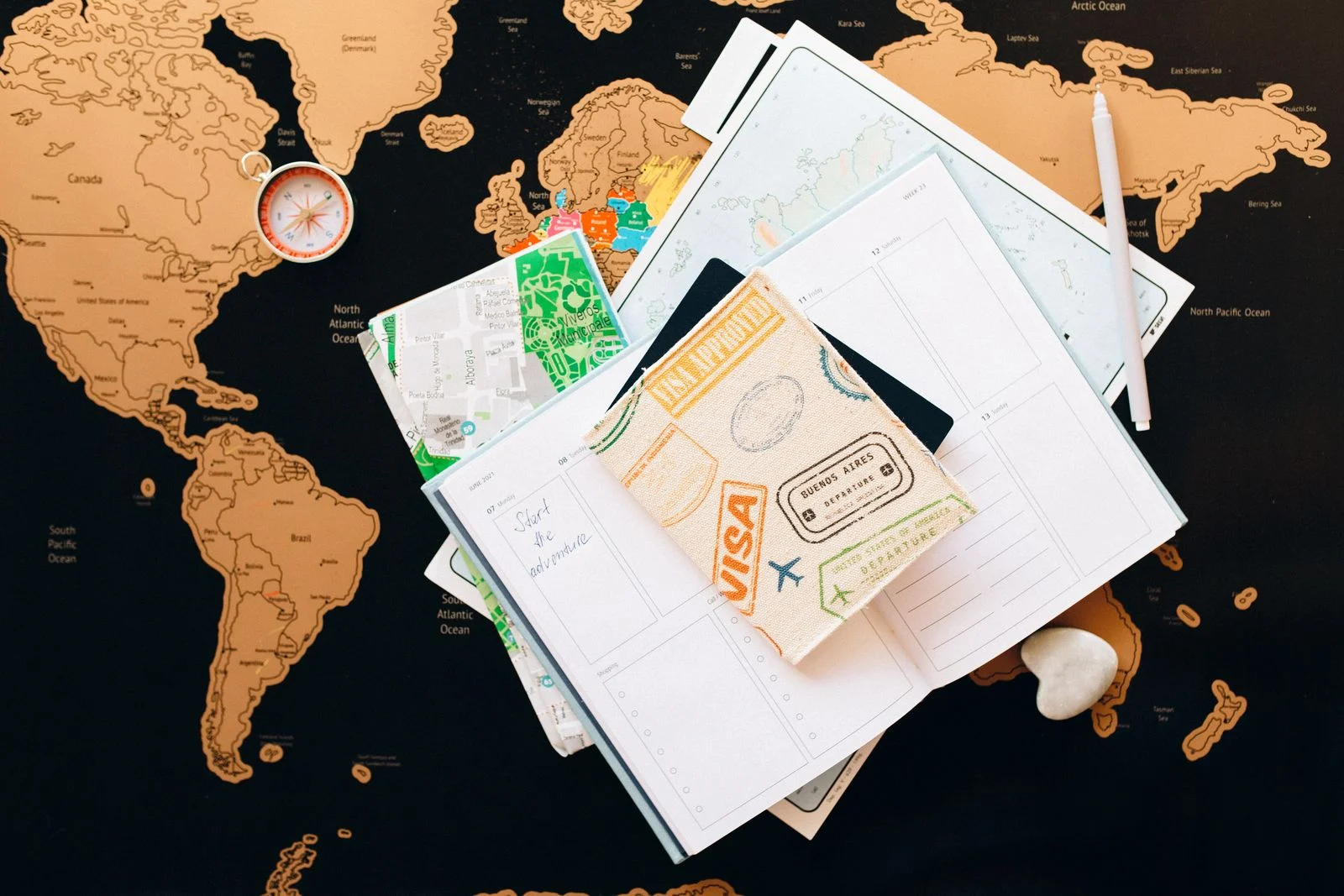
An open passport, maps and a compass arranged for travel planning.
An open passport, maps and a compass arranged for travel planning. Photo: Nataliya Vaitkevich / Pexels.

Know when a different service is needed

A visa exemption certificate is not the same document as a temporary residence card. It should not be treated as automatic authorisation to work. If your main plan is employment, company activity or a longer-term residence arrangement, explain that purpose when seeking advice.

Cindy offers five-year visa exemption support and a separate TRC and work permit consulting service. Use the service that matches the purpose and documents of your case rather than selecting a product only because its name contains the longest period.

What to include when asking Cindy for help

State your passport nationality, country of residence, intended travel date and the family or origin connection on which you plan to rely. Say whether you already hold a certificate and whether your passport has changed since it was issued.

A concise description of the documents you have helps identify the next steps. Send identity records only through the intended private channel. Final eligibility and issuance remain decisions of the competent Vietnamese authority.

Vietnam with children: organise passports, visas and airport help

A mother and young daughter beside a suitcase in an airport.
A mother and young daughter beside a suitcase in an airport. Photo: Gustavo Fring / Pexels.
In this guide
  1. Make a traveller-by-traveller record
  2. Check the journey out of home as well as entry into Vietnam
  3. Divide the airport tasks
  4. Check every approval, not just the first email
  5. Choose a first outing that suits the group

One family itinerary can involve several different document checks. Parents and children may hold different nationalities, have passports expiring at different times or need different entry arrangements. Build the paperwork around each traveller, then bring it together for the journey.

Make a traveller-by-traveller record

Create a private list with each person’s full passport name, nationality, passport expiry, application reference and entry-document status. Keep the original files in separate folders. This avoids uploading a parent’s photo to a child’s application or saving two approvals under the same filename.

A family flight reservation is not a family visa approval. Check the official application process for each traveller, particularly for a child with an individual passport. If a child is included in a parent’s travel document, get specific guidance rather than applying assumptions from a different passport arrangement.

Vietnam Airlines’ travel-document guidance describes the need for original valid travel documents and addresses infants included in a representative’s document. Your airline and the relevant authorities should confirm what is accepted for your family’s exact passports and route.

A passport and boarding passes resting on a laptop.
A passport and boarding passes resting on a laptop. Photo: RDNE Stock project / Pexels.

Check the journey out of home as well as entry into Vietnam

Where a child travels with one parent, a guardian or another adult, ask the airline and relevant authorities about consent or relationship documents. Requirements can depend on the countries involved and the family circumstances. Do not assume a generic consent-letter template is sufficient everywhere.

Compare names across passports, birth certificates and any supporting records. If names differ, ask which documents connect them. Leave enough time to obtain appropriate copies or translations if requested; trying to resolve a missing document at check-in gives you very few options.

If the family has Vietnamese connections, some members may qualify for a different route. Read our five-year visa exemption guide before assuming everyone needs the same application.

Divide the airport tasks

Before departure, agree which adult carries the document folder and which handles bags or accompanies younger children. Give another responsible adult access to the essential itinerary and support contacts so one lost phone does not remove the whole plan.

Keep the children’s necessary items accessible during document checks. Check the airline’s current rules for strollers, child restraints, liquids and any special assistance; these are airline procedures, not services that a visa application can arrange.

For Cindy’s Airport Fast Track, enter the actual traveller count and follow the age categories shown for your chosen airport and option. Mention relevant assistance needs clearly. Wheelchair or other airline assistance should also be arranged through the airline’s own process when needed.

A passport, sunglasses, hat and small toy aeroplane on a wooden table.
A passport, sunglasses, hat and small toy aeroplane on a wooden table. Photo: Porapak Apichodilok / Pexels.

Check every approval, not just the first email

When results arrive, compare each document with that traveller’s passport. Check the entry type and dates as well as the name. Keep a record of which applications are approved and which still need attention; the group is only ready when every traveller has the required documents.

For a pending application near departure, send the relevant reference and flight details to support. Avoid sending the entire family’s identity files when only one traveller’s case needs review.

Choose a first outing that suits the group

Allow time to reach the hotel and rest before a fixed activity. If you are exploring Ho Chi Minh City, AN Tours’ private Saigon Jeep Tour is one option to review. Confirm suitability, seating and any child-related arrangements directly before booking; a private tour label alone does not answer those questions.

Prepare your family’s visa support request →

Arriving in Ho Chi Minh City: a calm first-day checklist

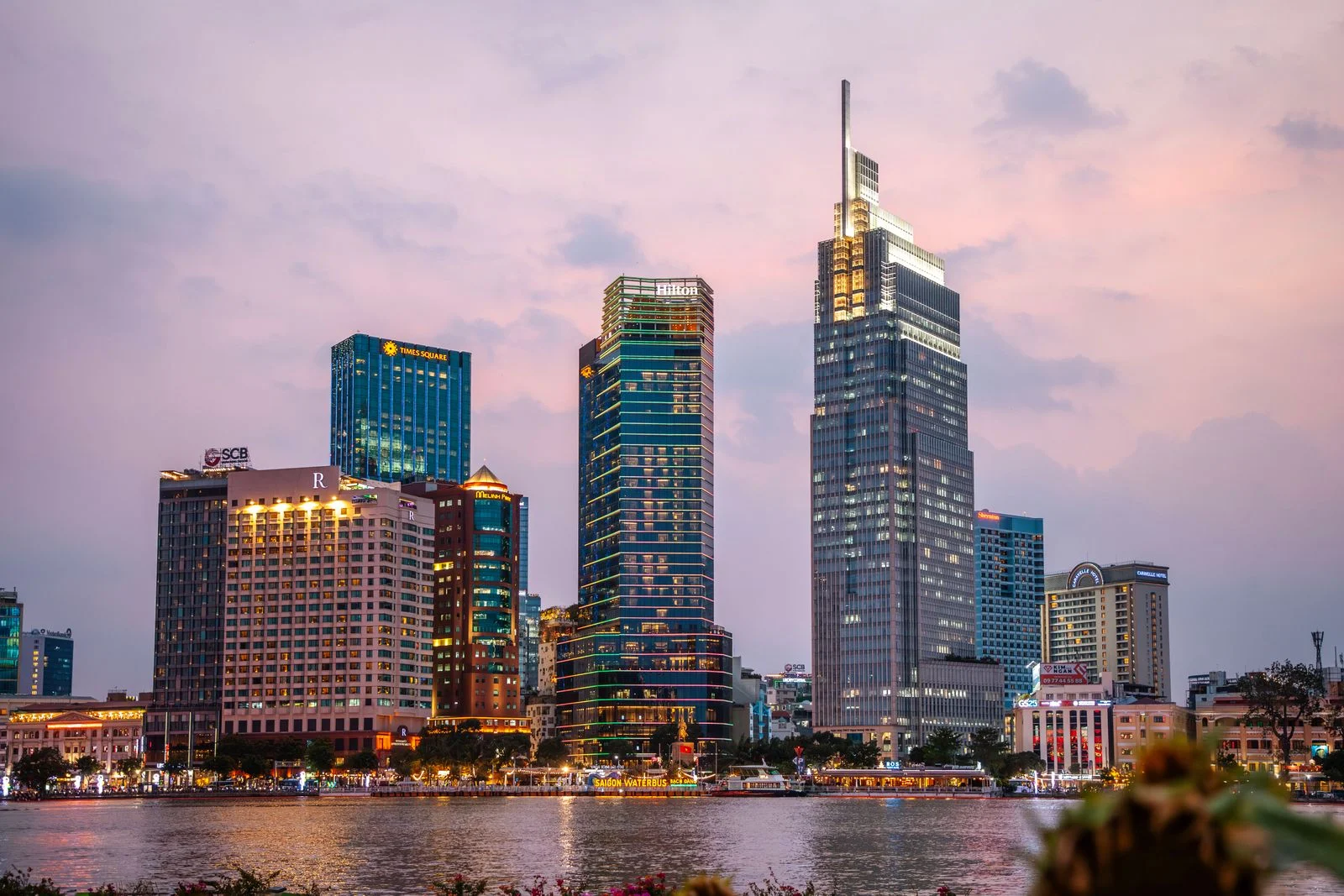
Ho Chi Minh City buildings beside the Saigon River at dusk.
Ho Chi Minh City buildings beside the Saigon River at dusk. Photo: Thể Phạm / Pexels.
In this guide
  1. Before departure: create one offline arrival folder
  2. At the airport: finish one stage before the next
  3. Make the hotel handover easy
  4. Leave space in the first day

A smoother first day in Ho Chi Minh City starts before the plane lands. Keep the documents for entry, the information for reaching your hotel and the plan for the rest of the day separate. You should not need to search through a long email thread at an airport counter.

Before departure: create one offline arrival folder

Save your flight itinerary, the entry document or exemption information relevant to your passport, and the accommodation’s full address. Include a local contact number for the hotel and the instructions for any airport assistance you booked.

Check the name and passport details on your issued visa against the physical passport. If you applied with a passport that has since been replaced, get instructions before flying. Our e-Visa checklist covers the final document review.

Also check current pre-arrival formalities. Vietnam Airlines’ travel guidance currently directs foreign passengers arriving through specified airports, including Tan Son Nhat, to the official pre-arrival declaration portal. Follow the instructions applicable to your flight and entry category. A declaration is a separate step from obtaining a visa.

A passport and boarding passes resting on a laptop.
A passport and boarding passes resting on a laptop. Photo: RDNE Stock project / Pexels.

At the airport: finish one stage before the next

Follow the signs and staff instructions for your arrival route. Have your passport and entry document ready for inspection. After immigration, check the recorded stay information before putting the documents away.

At baggage collection, compare the suitcase tag with your receipt rather than relying on colour alone. If an item is missing or damaged, report it through the airline’s baggage process before leaving the relevant area. Keep baggage receipts until all your bags are accounted for.

If you have booked Airport Fast Track, follow the meeting instructions in your confirmation. If you have booked a driver, check the vehicle, meeting point and name shown against that booking. Airport assistance and road transport are separate arrangements unless your confirmation expressly combines them.

Make the hotel handover easy

Keep the hotel’s address in a form that can be shown to a driver. Several properties can have similar names. The full address and a booking reference are more useful than a cropped map screenshot with no street details.

Tell the accommodation if your arrival time changes substantially. For an early landing, ask in advance whether luggage storage or early check-in is available and whether either has a charge. Do not assume a room will be ready simply because the flight arrives in the morning.

Keep passports, essential medication and valuables with you during transfers. Once you are settled, store a secure backup of your documents and keep your permitted stay date somewhere you will notice before departure.

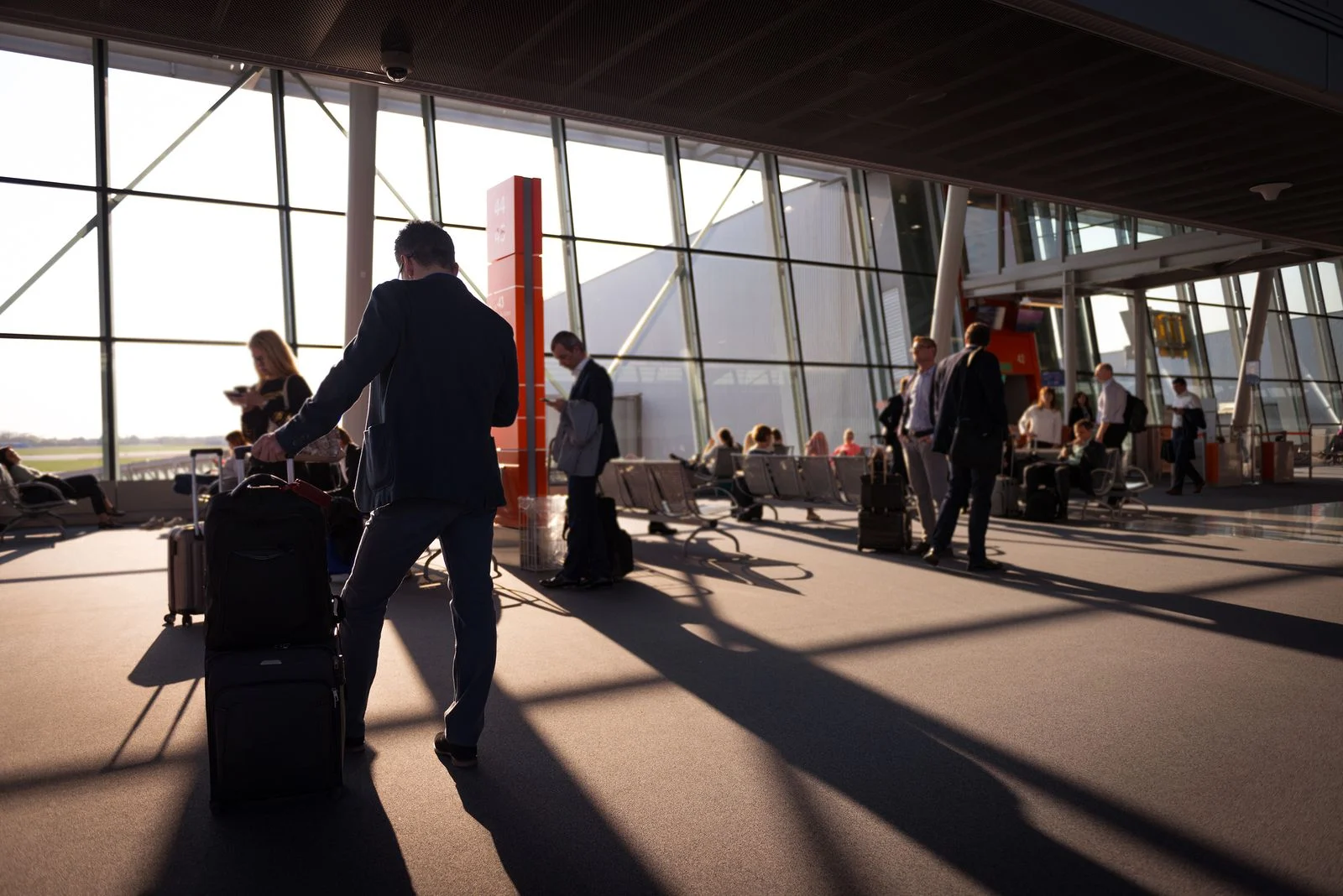
Travellers with luggage in a sunlit airport terminal.
Travellers with luggage in a sunlit airport terminal. Photo: Magic K / Pexels.

Leave space in the first day

A flight arrival time is not a reliable start time for a city activity. Immigration, baggage, traffic, hotel access and tiredness all affect when you will be ready. Choose a flexible meal or short walk first if your schedule is uncertain.

For a planned introduction to the city’s food after you have rested, you can look at AN Tours’ Saigon Food Tour. Read the transport options, current inclusions and dietary arrangements on the tour page before booking. Choose a time that leaves room for your arrival, rather than committing to a tour immediately after landing.

If the next day includes a domestic flight or a trip out of Vietnam, check the documents and airport instructions for that leg separately. The work you do for arrival should not hide a different requirement for the journey that follows.

Vietnam Airport Fast Track: what to book and what it covers

A traveller walking through a barrier-lined airport corridor.
A traveller walking through a barrier-lined airport corridor. Photo: Marcelo Renda / Pexels.
In this guide
  1. Start with airport and flight direction
  2. Read inclusions and limits together
  3. Book the people who will actually use the service
  4. Keep the meeting instructions offline

Airport Fast Track helps with the airport process covered by your booking. Before choosing it, decide where you need help: arrival formalities, departure procedures or a specific connection. Then compare the service description with your actual flight.

It is separate from a visa application and separate from a car ride to your hotel. Booking one does not automatically book the others. This distinction matters most when you are arranging several services shortly before travel.

Start with airport and flight direction

Cindy’s Fast Track booking page offers choices by airport and service. Select the correct airport first, then arrival or departure and the applicable flight type. Read the option shown for that combination rather than assuming every airport offers identical assistance.

Use the airport where the service will take place. A trip that arrives internationally in Ho Chi Minh City and continues domestically elsewhere has more than one flight segment. Make it clear which segment you want supported.

Flight numbers are more useful than a city name alone. Enter the operating flight number, travel date and local scheduled time. If your airline changes the flight after you book, send the revised details with the booking reference.

Travellers with luggage in a sunlit airport terminal.
Travellers with luggage in a sunlit airport terminal. Photo: Magic K / Pexels.

Read inclusions and limits together

Check what the chosen option says about meeting, assistance through airport procedures and any additional services. Do not infer porter service, lounge access, buggy transport or a private transfer merely from the word “VIP”. Those items should be expressly included if you expect them.

What you need What to arrange
Permission to enter Vietnam A valid visa or applicable exemption, checked for your passport and itinerary.
Assistance with airport procedures The relevant Fast Track option and confirmed meeting instructions.
A journey from the airport to your accommodation A separately specified transfer or another transport arrangement.
Wheelchair or airline special assistance Contact the airline in advance; do not assume a chat or Fast Track note replaces its procedure.

Airport conditions and official checks remain outside a support provider’s complete control. Fast Track does not remove immigration requirements, allow prohibited baggage or guarantee a fixed number of minutes through the airport.

Book the people who will actually use the service

Check the traveller count, names and any age fields carefully. Families should follow the age and pricing conditions displayed for the selected option, rather than assuming every child is free or every booking is charged per family.

Review the service amount, any displayed payment fee and the final total before completing checkout through 9Pay. Save the order reference and confirmation email. If the payment result is unclear, check the booking status and contact support before paying again.

A mother and young daughter beside a suitcase in an airport.
A mother and young daughter beside a suitcase in an airport. Photo: Gustavo Fring / Pexels.

Keep the meeting instructions offline

Before flying, save the meeting point, contact number and booking details where you can open them without mobile data. Carry the passport and entry document required for your journey. Put the flight details and support contact in the same note so another adult in your group can help if needed.

Read instructions about where to wait and when to contact the team. If you cannot find the representative, use the contact in your confirmation instead of leaving the agreed area without notice. For a delay or cancellation, provide the new operating flight details as soon as you have them.

If your main problem is an e-Visa that has not been issued, start with the urgent visa checklist. Once the travel documents and flight are in order, choose the airport assistance you need.

Connecting through Vietnam: when transit becomes an entry

Travellers with luggage in a sunlit airport terminal.
Travellers with luggage in a sunlit airport terminal. Photo: Magic K / Pexels.
In this guide
  1. Separate these three situations
  2. Ask the airline about the complete itinerary
  3. A long connection is not automatically a sightseeing opportunity
  4. Check return connections as carefully as outbound ones
  5. Where airport support can help

“I’m only connecting” is not enough information to decide whether you need permission to enter Vietnam. The key question is whether your actual connection keeps you in the international transit area or takes you through immigration.

An itinerary can look like one journey on a booking website while still requiring baggage collection, a terminal transfer or a domestic flight. Get the transfer arrangement confirmed by the operating airline before relying on an airside-transit assumption.

Separate these three situations

International flight to international flight, remaining airside. Ask the airline whether the airport and both carriers support your exact transfer, including your baggage and boarding pass. Do not assume that all airports or all separate-ticket combinations work the same way.

International flight followed by a domestic flight. You enter Vietnam before travelling within the country. Vietnam Airlines’ travel-document guidance specifically flags itineraries with a domestic sector for visa checks. Your nationality and any valid exemption still need to be considered.

A connection that requires going landside. Collecting bags, using a hotel outside the transit area or leaving for sightseeing can require an entry permission even when the onward flight leaves later the same day.

A traveller walking through a barrier-lined airport corridor.
A traveller walking through a barrier-lined airport corridor. Photo: Marcelo Renda / Pexels.

Ask the airline about the complete itinerary

Give the airline both flight numbers and dates, the passport nationality, and whether the tickets were issued together or separately. Ask these questions plainly:

  • Will my checked baggage be tagged to the final destination?
  • Can I receive the onward boarding pass without passing immigration?
  • Does this transfer remain entirely within the international transit area?
  • Do I need to change terminals or airports, and how is that transfer handled?
  • What happens if the first flight is delayed and I miss the connection?

Keep the reply with your booking documents. A general airport transfer diagram is useful, but it cannot confirm an arrangement between two airlines. Separate tickets deserve particular attention because baggage and disruption support may not carry through.

A long connection is not automatically a sightseeing opportunity

Before leaving an airport, allow for immigration, baggage, transport, return check-in and security. Look up the airline’s return-to-airport requirements. A gap between scheduled flights is not the same as free time available in the city.

Arrange the necessary entry documents before committing to a landside plan. Do not treat a tour reservation, a hotel booking or an airport assistance booking as permission to enter Vietnam. If the connection is too uncertain, staying within an airline-confirmed airside transfer can be a more workable plan.

A passport and boarding passes resting on a laptop.
A passport and boarding passes resting on a laptop. Photo: RDNE Stock project / Pexels.

Check return connections as carefully as outbound ones

Travellers often verify the outbound route and forget that the return may use a different airport, carrier or terminal. Review it as a separate connection. A visa used for an earlier entry may also no longer cover a later arrival, depending on its entry type and validity.

Our single-entry and multiple-entry guide can help you count those arrivals. If you need an e-Visa, prepare the application around the actual airport where you enter, not only the city at the end of the itinerary.

Where airport support can help

Cindy’s Airport Fast Track service is for airport assistance within the booked service scope. It does not replace a visa, change an airline’s transfer rules or guarantee a missed connection will be recovered.

If you are unsure which document route applies, send the full itinerary through Vietnam visa support. Include the connection details rather than describing the trip only as a layover; that difference is what makes the advice useful.

Vietnam visa exemption or e-Visa? A practical decision guide

A passport, sunglasses, hat and small toy aeroplane on a wooden table.
A passport, sunglasses, hat and small toy aeroplane on a wooden table. Photo: Porapak Apichodilok / Pexels.
In this guide
  1. Ask four questions in this order
  2. When an e-Visa may fit better
  3. Do not apply an island exemption to a mainland trip
  4. Keep the entry record with your travel documents

A friend’s visa-free trip does not establish your own eligibility. Start with the passport you will present at the border, the purpose of your visit and the number of days you intend to stay. Your home address or departure airport is not a substitute for those details.

Vietnam has several exemption arrangements. They differ by nationality, passport type, purpose and permitted stay. The Ministry of Foreign Affairs’ visa exemption information is a useful starting point, but check the rule that applies to your travel date rather than relying on an undated list.

Ask four questions in this order

  1. Which passport will I use? Check its nationality, type and expiry. If you hold two passports, keep the travel and application records consistent.
  2. Why am I entering? Tourism, employment and a long-term stay can involve different requirements. An exemption for a visit should not be treated as a work authorisation.
  3. How long will this stay last? Compare the entire planned stay with the applicable allowance, including arrival and departure arrangements.
  4. Will I leave and return? Check each arrival separately and do not assume a later entry will be accepted on the same basis.

For example, the government’s Resolution 229/NQ-CP established a 45-day tourism exemption for citizens of twelve specified European countries for a defined period. The nationality list, tourism purpose and effective dates all matter; “Europeans get 45 days” is too broad to use as a travel rule.

An open passport, maps and a compass arranged for travel planning.
An open passport, maps and a compass arranged for travel planning. Photo: Nataliya Vaitkevich / Pexels.

When an e-Visa may fit better

If your passport is not covered by a suitable exemption, or your planned trip exceeds the relevant allowance, review the available e-Visa route before departure. An e-Visa is a separate application, with its own identity information, dates, entry type and payment.

Do not plan to enter visa-free and automatically “add” an e-Visa to the same stay. Questions about extending a stay or changing immigration status need specific advice for your situation. The fact that an online application exists does not mean it can replace an in-country procedure.

For the application preparation itself, use our e-Visa checklist. If you expect more than one arrival, read the entry-type comparison before selecting a service.

Do not apply an island exemption to a mainland trip

Phu Quoc has a specific exemption arrangement. The official tourism guidance describes its island-only scope and conditions. A trip that also visits Hanoi, Ho Chi Minh City or another mainland destination needs a separate check of your permission to enter those parts of Vietnam.

Look at the actual transfer, not just the final destination printed on the ticket. Ask the airline whether you remain in an international transit area or pass immigration during a connection. A domestic sector or a baggage collection requirement can change what you need to arrange.

Ho Chi Minh City buildings beside the Saigon River at dusk.
Ho Chi Minh City buildings beside the Saigon River at dusk. Photo: Thể Phạm / Pexels.

Keep the entry record with your travel documents

When you arrive, check the permission and stay date recorded by immigration. Keep a private copy with your travel documents. If it differs from what you expected, ask for clarification promptly; do not wait until the last day of the trip.

For a family, check every traveller individually. Different nationalities, passport expiry dates or family relationships can mean different application routes even when everyone is on the same booking.

Get support choosing the visa route for your trip →

Single-entry or multiple-entry Vietnam e-Visa: choose by your route

An open passport, maps and a compass arranged for travel planning.
An open passport, maps and a compass arranged for travel planning. Photo: Nataliya Vaitkevich / Pexels.
In this guide
  1. Compare the routes, not just the prices
  2. Multiple entry does not restart the expiry date
  3. Check the less obvious border crossings
  4. Before you select an option

The question is simple: will you leave Vietnam and enter again during the same trip? A journey through several Vietnamese cities can still need only one entry. A short visit to a neighbouring country followed by a return to Vietnam changes the calculation.

Vietnam offers single-entry and multiple-entry e-Visas. The official visa overview lists government application fees of USD 25 and USD 50 respectively, with validity of up to 90 days. These are government e-Visa fees, not the total price of an independent agency’s assistance.

Compare the routes, not just the prices

Your plan Entries into Vietnam What to check
Hanoi → Da Nang → Ho Chi Minh City → home One A single-entry visa may fit if dates and all other conditions match.
Ho Chi Minh City → Cambodia → Hanoi → home Two You need an entry permission that covers the return to Vietnam.
Vietnam holiday, then a second separate Vietnam visit Two separate arrivals Both visits must fall within the issued validity if relying on one multiple-entry visa.
An international connection without entering Vietnam Depends on the transfer arrangement Confirm whether you stay airside or must pass immigration.

These are planning examples, not approvals for a particular passport. A traveller who qualifies for a visa exemption may have another suitable entry route. Check that separately rather than assuming every arrival requires an e-Visa.

A passport, sunglasses, hat and small toy aeroplane on a wooden table.
A passport, sunglasses, hat and small toy aeroplane on a wooden table. Photo: Porapak Apichodilok / Pexels.

Multiple entry does not restart the expiry date

Think of the visa validity as a fixed window. Multiple entry concerns how often you can enter during that window; it does not create a fresh full validity period every time you return. Read both dates on the issued document before confirming the second leg of your trip.

For example, if a visa ends before your planned return from Cambodia, choosing multiple entry does not solve the date problem. You must arrange an appropriate entry permission for the later arrival. Similarly, a last-minute flight change can affect whether a visa still fits even when the entry type is correct.

Check the less obvious border crossings

A cruise, an overland excursion or a flight connection can introduce an exit and re-entry that is easy to overlook on a hotel-based itinerary. Write down every country in the order you will visit it, including connecting points, then mark the occasions when you actually pass immigration into Vietnam.

A domestic flight within Vietnam is not another international entry. But an international-to-domestic connection involves entering Vietnam before that domestic sector. Our transit and connecting-flight guide explains the questions to ask the airline.

If you want help planning the sightseeing part after the entry dates are settled, AN Tours Vietnam offers Vietnam tours. Plan the activities around the confirmed entry permission, rather than buying an unsuitable visa to fit an unfinished route.

Travellers with luggage in a sunlit airport terminal.
Travellers with luggage in a sunlit airport terminal. Photo: Magic K / Pexels.

Before you select an option

List your first arrival, every departure from Vietnam, every return and your final departure. Compare those dates with your passport validity and the period you intend to request. Check that each border checkpoint is suitable for the entry document you will use.

If you already hold a single-entry visa and later decide to leave and return, ask for case-specific guidance before booking the extra leg. Do not assume the existing visa will become reusable because some of its validity remains.

Choose visa support for your itinerary →

Vietnam e-Visa photos and passport scans: avoid common upload mistakes

A camera, passport, notebook and travel accessories arranged on a bed.
A camera, passport, notebook and travel accessories arranged on a bed. Photo: Aldrich / Pexels.
In this guide
  1. For the passport page, readability comes first
  2. Use a suitable portrait, not a crop from a holiday photo
  3. Check the file you selected, then the preview
  4. If the image is rejected

A sharp image can still be the wrong file. Before uploading anything, check three separate things: it belongs to the correct traveller, it shows the required document or portrait, and its details remain readable after upload.

The immigration application distinguishes a portrait from the passport’s personal-information page. Its published application instructions call for a forward-facing portrait without glasses. Follow the requirements displayed by the current official portal for file type, dimensions and size; upload limits can change.

For the passport page, readability comes first

Place the passport on a flat surface in even light. Keep the camera parallel to the page, and make sure the whole personal-information page is visible. Check the edges, the printed details and the machine-readable lines at the bottom. Fingers, a passport cover or a dark shadow should not hide information.

Shiny passport pages are prone to glare. Move the light or the camera slightly and take another photograph if reflections cover a name, number or date. Increasing brightness afterwards does not recover text that was never captured clearly.

Open the saved file at a readable size before uploading it. A small thumbnail may look fine even when the passport number becomes blurred on enlargement. If a messaging app compressed the image, use the original file where possible.

A passport and boarding passes resting on a laptop.
A passport and boarding passes resting on a laptop. Photo: RDNE Stock project / Pexels.

Use a suitable portrait, not a crop from a holiday photo

Take the portrait against a plain, light background with the face evenly lit. Look directly at the camera. Avoid beauty filters, strong shadows and anything that obscures facial features. Check the portal’s current instructions for the framing and any permitted exceptions.

Do not cut a face out of a group picture or photograph the small portrait printed inside the passport. Those images serve a different purpose and may have poor resolution or an unsuitable angle. A clean new portrait is often easier to prepare than trying to repair an unsuitable old one.

For children, take the same care with identity and framing. Keep each child’s files in a separate folder so a parent’s portrait is not accidentally paired with a child’s passport. Our family document checklist offers a simple way to organise several applications.

Check the file you selected, then the preview

  1. Give each file a clear private name that identifies the traveller and document type.
  2. Select the original image from the correct folder.
  3. Review the preview after it uploads; check orientation and whether the entire page is present.
  4. Compare any extracted information with the passport rather than assuming automatic reading is correct.
  5. Recheck the final review screen before payment.

You do not need to put a passport number in a public filename or a shared folder name. Keep identity files in private storage and send them only through the intended application or support channel. A travel discussion group is not an appropriate place to post a full passport page.

A passport, sunglasses, hat and small toy aeroplane on a wooden table.
A passport, sunglasses, hat and small toy aeroplane on a wooden table. Photo: Porapak Apichodilok / Pexels.

If the image is rejected

Read the actual message first. A problem with size, file type or image quality calls for a different fix from a mismatch between the passport and typed information. Save the request, prepare the corrected file and follow the official amendment instructions.

Do not edit the passport’s text or change facial features to make an image pass. If the document itself is damaged or the name is unclear, ask the relevant authority for instructions. An image-editing workaround cannot resolve an identity issue.

For help checking the application as a whole, use Cindy Vu’s visa support service. Have the original files ready; they are more useful for a document review than screenshots of screenshots.

Vietnam e-Visa still processing? What to do before your flight

A traveller standing with luggage near airport check-in counters.
A traveller standing with luggage near airport check-in counters. Photo: Abdiel Hernandez Villegas / Pexels.
In this guide
  1. Check what “pending” actually means
  2. Work backwards from check-in
  3. Send a complete urgent-support request
  4. Avoid changes that make the case harder to follow

If your flight is getting close and the e-Visa is still pending, work on two things at once: establish the application’s exact status and find out when you must decide whether to change your flight. Repeatedly refreshing an inbox does not answer either question.

The official tourism visa overview gives a general processing estimate of three to five working days. Treat that as planning guidance, not a promise for a particular case. Weekends, public holidays, incomplete information and requests for corrections can leave less usable time than the number of calendar days suggests.

Check what “pending” actually means

Use your application reference and the official status-checking route. Read the full result and any request for further information. There is a practical difference between an application awaiting review, an unpaid application and a file that has been returned for correction.

If the portal asks for an amendment, save the message before changing anything. Correct the specific issue, keep a record of what you submitted and check that the update was received. Do not assume that a corrected file keeps the original expected completion date.

If you used an intermediary, ask for the official reference and current status, not only a general statement that the visa is “being handled”. Keep your passport and payment information private when asking for help in public forums.

A passport and boarding passes resting on a laptop.
A passport and boarding passes resting on a laptop. Photo: RDNE Stock project / Pexels.

Work backwards from check-in

Your flight’s departure time is not the last moment at which documents matter. Airline check-in and boarding checks happen earlier. Contact the operating airline to confirm the document requirements, check-in deadline and your ticket’s change conditions.

For an overnight journey, write out each date and time with its city. A departure late on Monday and arrival in Vietnam on Tuesday are different dates for an application. A connecting flight can introduce another document check before you reach Vietnam.

Keep a realistic decision point for rebooking. An uncertain approval is a poor basis for buying a second non-refundable ticket, hotel night or connection. If the document has not arrived by the point at which you must travel to the airport, follow the airline’s instructions instead of relying on an online anecdote.

Send a complete urgent-support request

To let Cindy understand the timing, prepare the following in one message or application:

  • Your passport nationality and the passport used for the application.
  • The application reference and current result, including any correction request.
  • Submission and payment dates, with the relevant time zone if timing is tight.
  • The full flight route, departure time and arrival airport.
  • Whether a visa has already been issued with an incorrect detail.

Use Cindy’s urgent visa support form to choose the applicable service and complete the online booking and payment process. Keep the booking reference available when following up. Urgent assistance does not turn a pending file into permission to board, and payment is not a guarantee of approval.

Travellers with luggage in a sunlit airport terminal.
Travellers with luggage in a sunlit airport terminal. Photo: Magic K / Pexels.

Avoid changes that make the case harder to follow

Do not submit several applications just because one has not finished. First establish whether a new submission is needed and what will happen to the existing one. Several references, different travel dates and multiple payments can make it harder to identify the file you actually intend to use.

Airport Fast Track also cannot solve a missing visa. It is an airport assistance service, whereas an e-Visa is an immigration document. Read what Fast Track includes if you are deciding which help you need.

When approval arrives, pause long enough to check the document. Confirm the passport number and travel dates, save an offline copy, and tell the airline or support team if a mismatch remains. The useful finish line is a correct document for your journey, not simply an email saying a result is available.

Talk to Cindy.

Share your travel plans and the support you need.

You're asking aboutVietnam visa support
+84 911 467 086
Chat on WhatsApp